IN DEPTH

disposal, dump, garbage-1846033.jpg

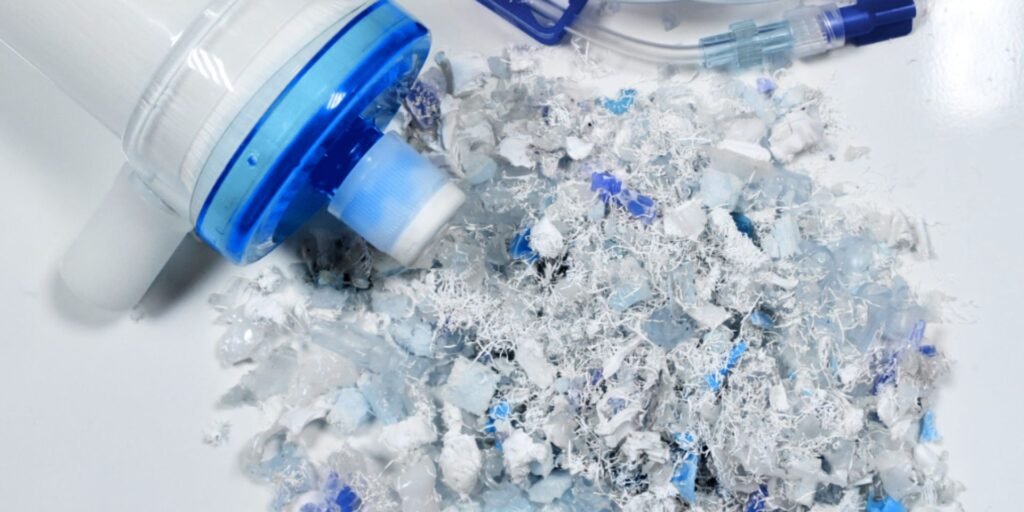
Make Your Health Facility Fully Compliant by Treating Waste Onsite

Recognizing the harmful effects of untreated health care waste to both human health and the surrounding environment, the Philippine government has put into place laws and administrative regulations that mandate appropriate procedures and standards for health care waste generators, transporters, and disposal facilities.

Learn more about these regulations and how the Tesalys line of medical waste autoclaves is enabling compliance among health care facilities.​

Minding the risks faced by informal waste collectors

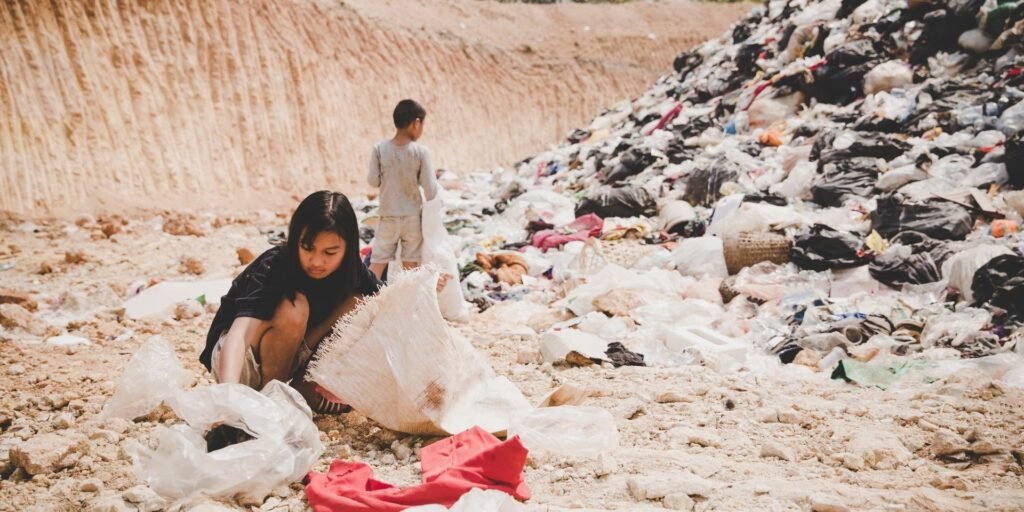
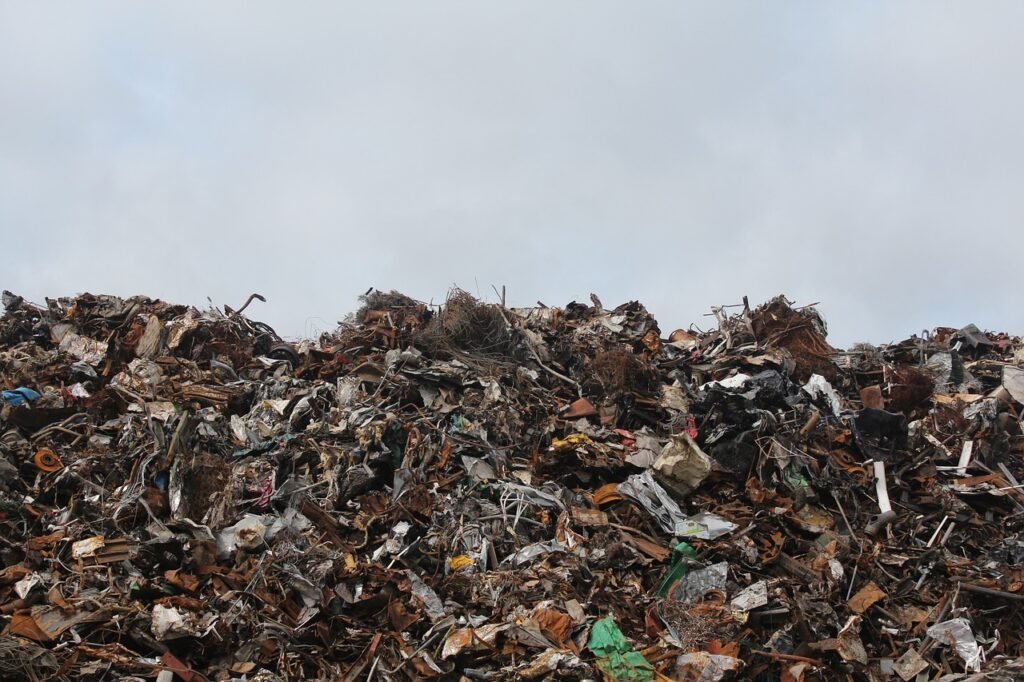
Largely undocumented and unregulated, informal waste pickers in the Philippines who sort through open air dumpsites or travel around collecting waste from garbage bins or from the streets face intensified risks during periods of public health emergencies such as the ongoing COVID-19 pandemic. Coming mostly from the poorest segments of the population, informal waste collectors trade their salvaged trash for daily subsistence while simultaneously augmenting the sourcing capacity and networks of the country’s still undeveloped recycling industry.

The many perils of offsite health care waste treatment and disposal

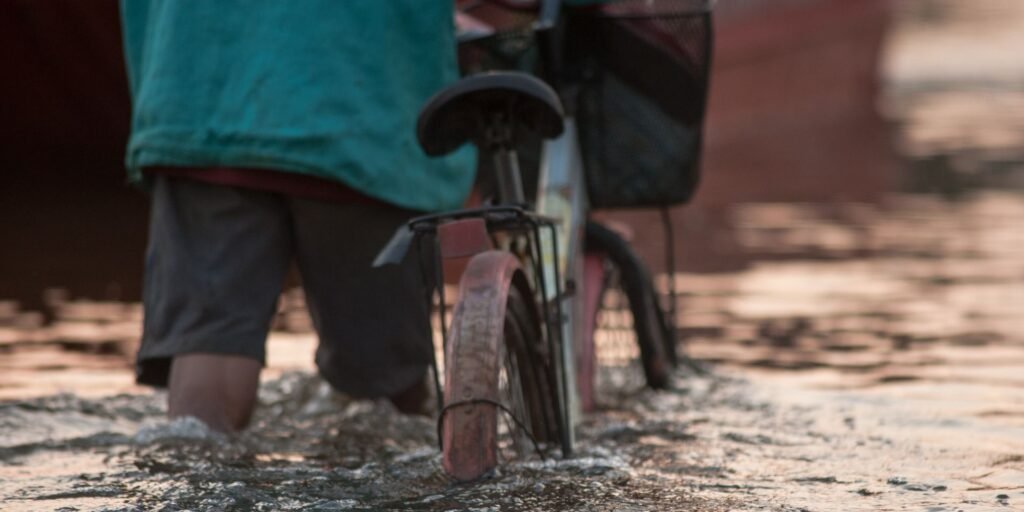
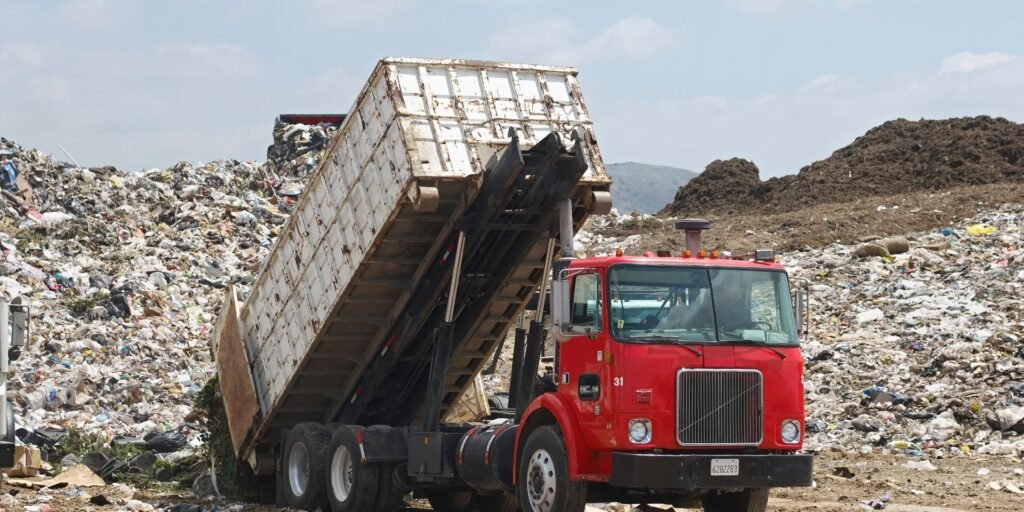
Burdening hospital and health care facility administrators and personnel with only the minimum responsibility, offsite and contracted medical waste management solutions remain the most preferred and prevalent health care waste (HCW) practice across the Philippine public health sector. But with documented reports of possibly infectious medical waste illegally disposed or spilling out of waste transport vehicles and discarded along roads and waterways, public health authorities need to rethink their options and seriously consider onsite treatment.